
Understanding DPF Dash Warnings: Why Every Car Owner Should Act Now to Save Money

When a warning light flashes on your dashboard, it’s easy to ignore it or assume it’s a minor issue. But if your car’s Diesel Particulate Filter (DPF) warning light comes on, it signals a problem that needs immediate attention. Ignoring this warning can lead to costly repairs and reduced vehicle performance. This post explains what DPF dash warnings mean, why they matter, and how booking a diagnostic session early can save you money in the long run.
What Is a Diesel Particulate Filter and Why Is It Important?
A Diesel Particulate Filter is a device installed in diesel vehicles to capture and store soot particles from the exhaust gases. Its main job is to reduce harmful emissions and help your car meet environmental standards. Over time, the filter collects soot and needs to regenerate, burning off the particles to clear the filter.
If the DPF becomes clogged, your car’s engine will struggle to perform efficiently. This can cause:
Reduced fuel economy
Loss of power
Increased emissions
Potential engine damage
The DPF warning light on your dashboard alerts you when the filter is blocked or not functioning correctly.
Common DPF Warning Signs on Your Dashboard
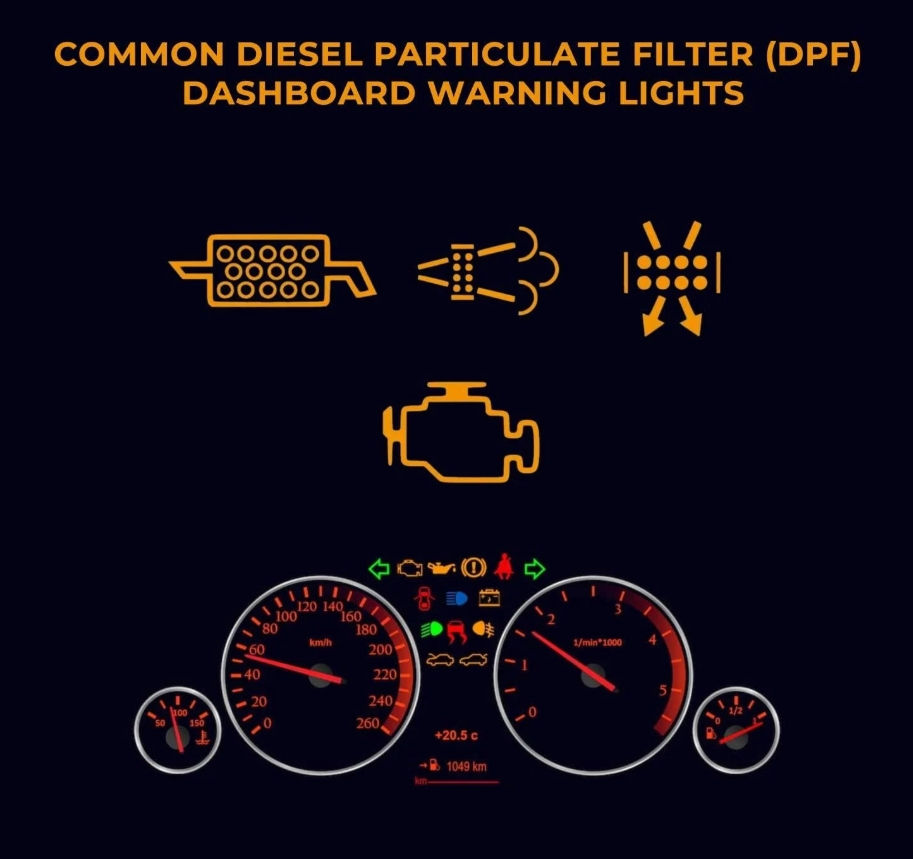
Recognizing the DPF warning light is the first step to preventing bigger problems. The warning usually appears as an amber or yellow icon shaped like a filter or says “DPF” on the dashboard. Some vehicles may also display messages like “DPF Full” or “Service DPF.”
Other signs that your DPF might be clogged include:
Frequent loss of power during acceleration
Unusual exhaust smoke, often black or grey
Increased fuel consumption without explanation
Engine running rough or stalling
If you notice any of these symptoms along with the warning light, it’s time to act.
Why Ignoring DPF Warnings Costs More
Many drivers delay servicing their DPF because they don’t understand the warning or think it’s a minor issue. This can lead to:
Permanent damage to the DPF requiring replacement, which can cost over $1,000
Damage to the turbocharger or engine due to back pressure and overheating
Failed emissions tests, leading to fines or inability to renew registration
Booking a diagnostic session as soon as the warning appears can prevent these expensive repairs. A professional can perform a DPF health check, clear the filter if possible, or recommend the right service.
What Happens During a DPF Diagnostic Session?
During a diagnostic session, a technician connects your car to a diagnostic tool to read fault codes and assess the DPF’s condition. They will check:
The level of soot and ash in the filter
The efficiency of the regeneration process
Sensor readings related to exhaust flow and temperature
Based on the results, the technician might perform a forced regeneration, which uses heat to burn off the soot, or advise a cleaning service. In some cases, they may recommend replacing the filter if it’s too damaged.

How to Prevent DPF Problems in the Future
Preventing DPF issues starts with understanding how your driving habits affect the filter. Here are some tips to keep your DPF healthy:
Drive at higher speeds regularly: Short trips and city driving don’t allow the filter to regenerate properly. Taking your car on a highway drive for 15-20 minutes can help burn off soot.
Use the correct engine oil recommended by your vehicle manufacturer.
Avoid turning off the engine during regeneration: Some cars perform regeneration while idling or driving. Interrupting this process can cause blockages.
Schedule regular maintenance: Have your vehicle checked by a professional to catch early signs of DPF problems.
When to Book a DPF Diagnostic Session
If your DPF warning light comes on, don’t wait for the problem to worsen. Book a diagnostic session as soon as possible to:
Identify the cause of the warning
Prevent costly repairs
Maintain your vehicle’s performance and fuel efficiency
Ensure your car passes emissions tests
Ignoring the warning can lead to breakdowns and expensive replacements. Early diagnosis is the best way to protect your investment.


Comments